Before: Living With Fear and Sleepless Nights
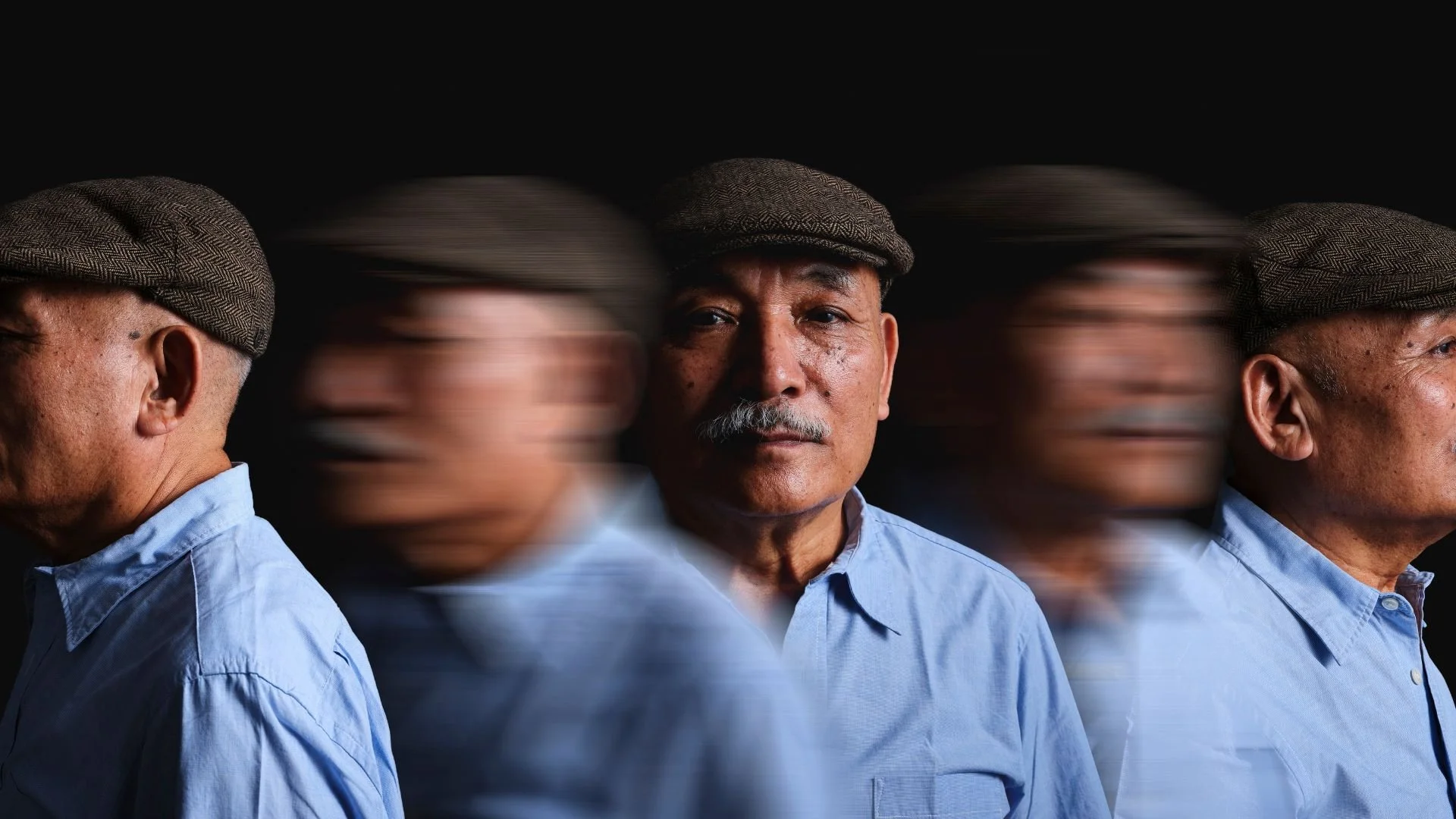
At 76, Maninder’s days were shaped by exhaustion. Nights rarely brought rest. Sleep came in fragments, an hour here, a restless stretch there, interrupted by a constant sense of unease that he couldn’t quite explain. His body felt tense even when he was sitting still. His mind refused to slow down. By morning, the lack of sleep only made the anxiety heavier.
What made things more complicated was that Maninder didn’t believe this was a “mental” problem.
Like many older adults, he saw anxiety as a weakness rather than an illness. He spoke instead of physical discomfort, uneasiness in the chest, restlessness in the body, a sense that something was wrong but hard to name. When doctors suggested anxiety as the cause, he resisted the idea.
Medications were tried. More than once.
Each time, the result was the same. The moment he was prescribed pills, his anxiety intensified. The fear of taking medication, of side effects, dependence, or something going wrong became overwhelming. Within days, he would stop. Not because the medicines failed, but because the fear around them was unbearable.
As weeks turned into months, his world began to shrink. Poor sleep worsened his anxiety. Anxiety made sleep even harder. And without a treatment he could tolerate, the cycle continued.
By the time he was referred for further care, Maninder wasn’t just anxious, he was exhausted, discouraged, and running out of options he felt comfortable accepting.
The Turning Point: A Different Kind of Option
When Maninder met Dr. Jwalant Chag, the conversation took a different turn.
Instead of focusing on another prescription, the discussion began with understanding his fear. Maninder was clear - he did not want medicines. He did not believe his problem was psychological, and the thought of taking pills only made his anxiety worse. For years, this resistance had stood in the way of treatment.
This time, however, an alternative was offered.
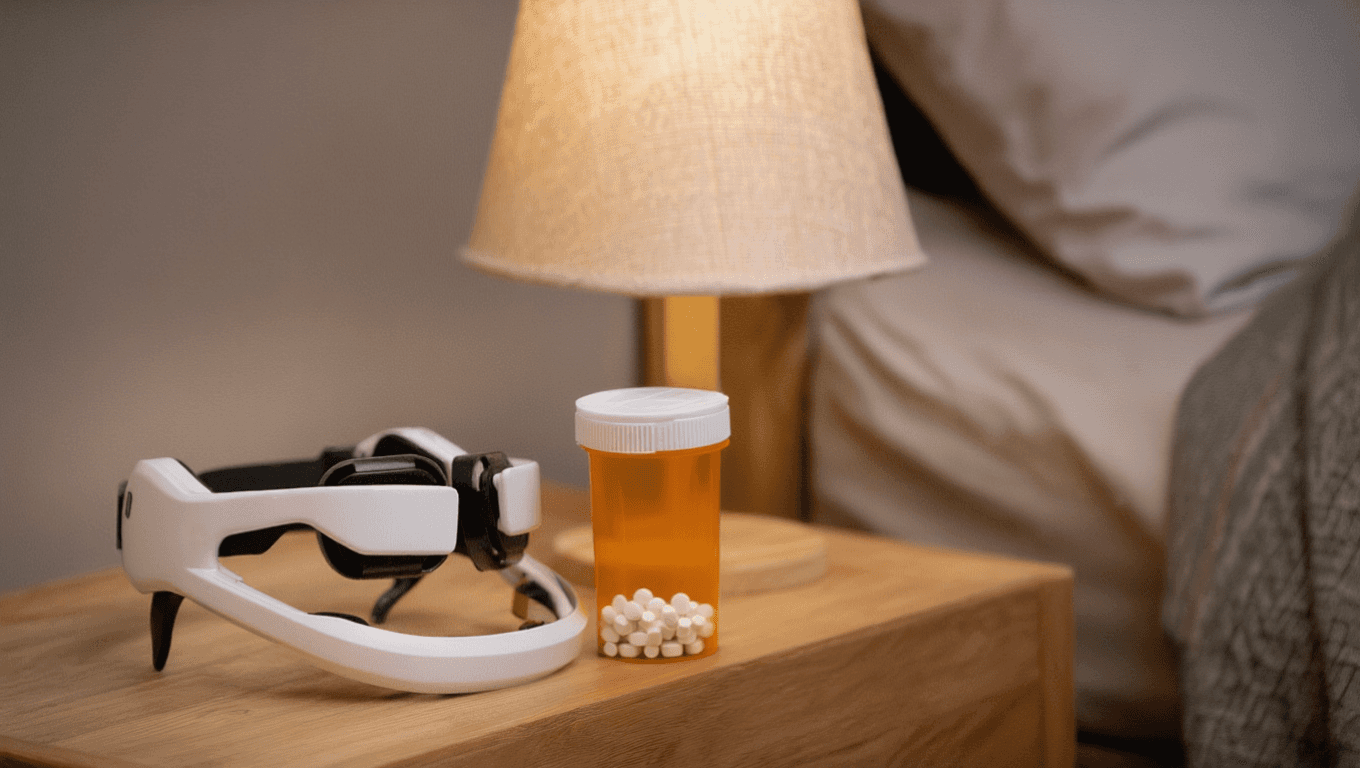
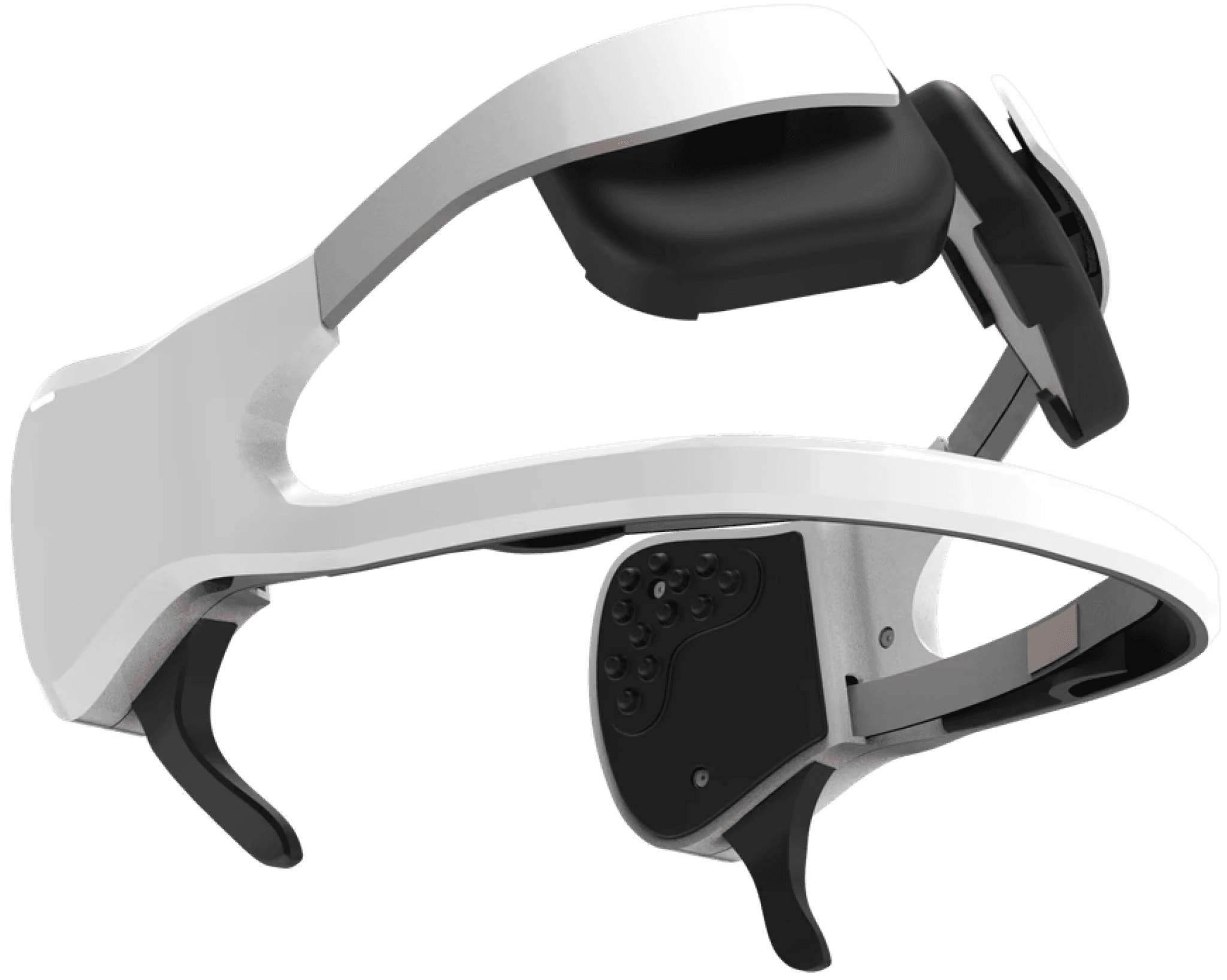
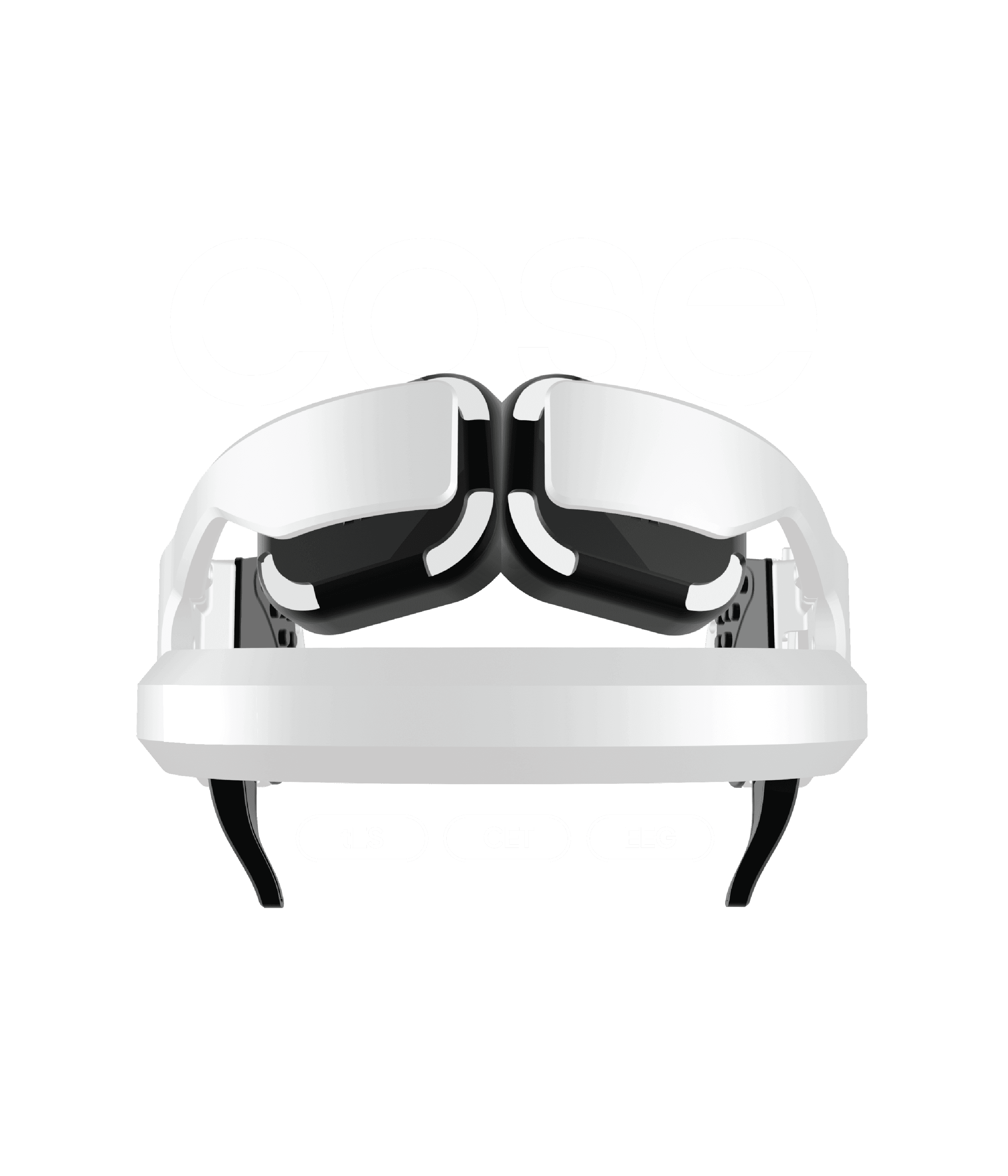
Dr. Chag introduced a non-medication approach, one that didn’t involve swallowing pills or changing daily routines dramatically. It involved a simple, wearable device that sat on the head, something Maninder himself would later describe as “just a headband.”
There were questions, of course. Would it hurt? Would it cause side effects? Would it make him feel worse?
The reassurance mattered. The treatment was non-invasive. Sessions were short. There were no drugs involved. Most importantly, it could be done in the comfort of his home, without the constant reminder that he was “taking treatment for anxiety.”
For someone who struggled to accept the idea of mental illness, this mattered deeply. The device didn’t label him. It didn’t carry the stigma he associated with psychiatric care. It felt practical, physical, something he could accept.
With cautious optimism, Maninder agreed to try it.
Not because he suddenly believed he had anxiety, but because this option felt different. It didn’t trigger his fear. And for the first time in a long while, it offered a path forward that he was willing to walk.
During Treatment: Small Changes, One Session at a Time
The sessions became part of Maninder’s daily routine.
Each day, he wore the device for a short period, seated comfortably at home. There was no pain, no dramatic sensation, just a mild awareness that something was happening. Alongside the stimulation, he was guided through simple mental exercises. They felt more like structured brain games than therapy, designed to keep his attention engaged.
At first, Maninder didn’t notice much change.
But over time, subtle shifts began to appear. He found himself feeling less tense during the day. The constant restlessness in his body started to ease. Nights, once broken and unpredictable, slowly became more settled. Sleep still wasn’t perfect, but it was deeper, and it lasted longer.
What surprised him most was how effortless it felt.
There were no pills to remember, no side effects to worry about, no fear of “what might happen” after taking a medication. The absence of that fear itself became therapeutic. Each completed session built a quiet sense of confidence - both in the process and in his ability to continue.
As the days passed, the changes accumulated. Anxiety that once dominated his thoughts no longer felt overwhelming. His body felt calmer. His mind felt clearer. And for the first time in months, improvement felt steady rather than fragile.
Maninder may not have described it in clinical terms, but he could feel it: something was finally helping.
After Treatment: Finding Stability Again
By the end of the treatment period, the change was unmistakable.
Maninder was sleeping better. Nights that were once dominated by tossing and turning had become calmer and more predictable. The persistent edge of anxiety that followed him through the day had softened. He felt more at ease in his body, less consumed by worry, and more capable of going about his daily life.
What mattered just as much was what didn’t happen.
There were no adverse effects. No new fears introduced by the treatment. No sense of dependence. When the sessions ended, there was no sudden drop or rebound in symptoms. The improvement held steady.
In the weeks that followed, Maninder remained stable. His anxiety did not return to its previous intensity, and his sleep continued to be manageable. For someone who had struggled to tolerate any form of treatment in the past, this consistency was significant.
Reflecting on his experience, Maninder later shared:
“A geriatric patient often has poor insight into mental illness and may not accept that he is suffering from anxiety. When medical comorbidities are numerous and insight is limited, this ‘headband’ can be used to relax the body.”
For Maninder, the device wasn’t just a treatment, it was an acceptable solution. One that worked with his beliefs rather than against them.
Behind the Scenes: The Clinical Approach
Background: Severe anxiety and chronic insomnia are common in older adults, yet pharmacotherapy often fails because of poor adherence and medication‑related anxiety. Non‑invasive brain stimulation offers a medication‑free alternative.
Rationale: The DLPFC regulates affective‑cognitive circuits, and coupling stimulation with Cognitive‑Emotional Training (CET) further engages these networks, enhancing therapeutic gain.
Methods:
Device & Montage: EASE headband; anode F3 (left DLPFC), cathode F4 (right DLPFC).
Intensity: Sessions 1‑2 = 1.5 mA; sessions 3‑20 = 2 mA.
Duration/Frequency: 20 min daily for 20 sessions.
CET Tasks: Adaptive emotional N‑Back, Flanker, Corsi Block, Go/No‑Go to sustain activation of emotional‑regulatory pathways.
Outcome Measures: Hamilton Anxiety Rating Scale (HAM‑A) administered pre‑ and post‑treatment; sleep quality was qualitatively recorded.
Results: HAM‑A decreased from 31 → 17 (45 % reduction) after the protocol, mirroring reductions seen in larger trials of tDCS for anxiety. The patient reported markedly better sleep, consistent with prior findings that tDCS (including high‑definition protocols) improves Pittsburgh Sleep Quality Index scores and can cut sleep‑onset latency by ≈ 50 % when delivered at low frequencies. No adverse events occurred.
Discussion: The magnitude of anxiety improvement aligns with systematic‑review data, while the sleep benefits echo reports of tDCS‑induced insomnia relief. Combining stimulation with CET likely amplified cortical plasticity.
Clinical Implications: A 20‑session, home‑based tDCS + CET regimen provides a feasible, stigma‑free option for geriatric patients who cannot tolerate SSRIs, supporting its integration into community‑based anxiety‑insomnia management pathways.