Patient identification
Rohan (pseudonym), 21-year-old male.
Clinical status
The patient presented with long-standing Obsessive Compulsive Disorder spanning 2–3 years, characterized by intrusive thoughts and repetitive compulsive behaviors, with no significant comorbid psychiatric conditions. He had been stabilized on psychiatric medications for over 2–3 years prior to treatment initiation but sought accelerated symptom reduction.
- Primary complaint: persistent obsessive–compulsive symptoms causing marked distress and functional interference.
- Diagnosis: Obsessive Compulsive Disorder (F42).
- Baseline status: moderate–severe compulsions with partial response to medication.
Intervention
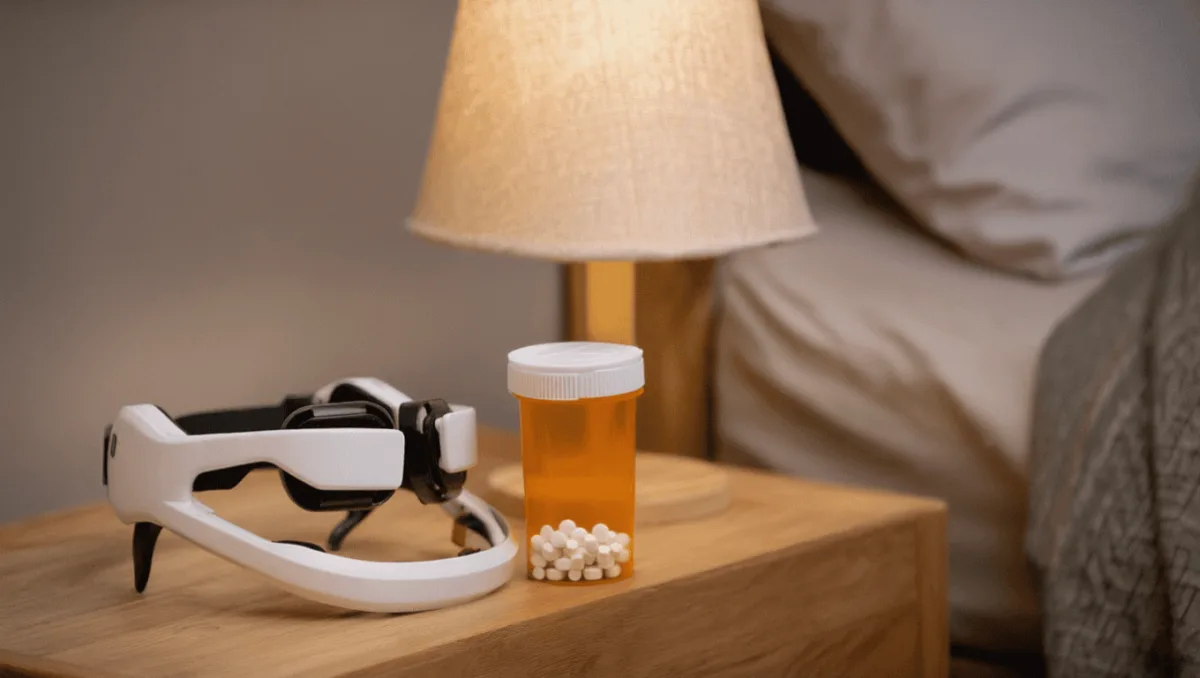
Active anodal tDCS via the ease device combined with Cognitive-Emotional Training (CET) modules.
Protocol parameters
- Electrode montage: anode at left DLPFC (F3); cathode at right DLPFC (F4)
- Current intensity: 2 mA
- Session duration: 20 minutes
- Total sessions: 50 (initial 30-session package extended per clinical response)
- Frequency: once daily, adapted from the standard twice-daily protocol for feasibility
- Maintenance: weekly booster sessions ongoing
Cognitive-Emotional Training components
- Emotional N-Back task, targeting affective working memory
- Flanker task, for cognitive control and interference resolution
- Corsi Block task, enhancing visuospatial working memory
- Go/No-Go task, strengthening response inhibition
Each component employed adaptive difficulty calibration based on accuracy to ensure sustained engagement. The combined approach aimed to achieve faster compulsion reduction.
Outcome measures
Clinical assessments utilized validated clinician-rated scales evaluating:
- Clinician-rated improvements in compulsive frequency and severity
- Patient self-reports regarding intrusive thoughts, compulsive urges, distress and functional capacity
- Longitudinal observations during booster sessions
Results
After 50 sessions, the patient demonstrated marked clinical improvement exceeding 60%.
| Domain | Baseline | Post-intervention | Change |
|---|---|---|---|
| Compulsion | Moderate–severe | Mild | ≈80% reduction (self-reported) |
| Functional impairment | High | Minimal | Significant improvement |
Clinical observations
- Major reduction in compulsive frequency and urgency
- Improved cognitive control over intrusive thoughts
- Enhanced daily functioning and emotional stability
- Greater confidence and autonomy in managing OCD triggers
- No adverse effects reported; sessions were well tolerated
From the treating clinician
Working on this case taught me the compounding effects of neuromodulation and the importance of consistency.
Wondering whether ease could help?
ease is prescribed by clinicians. Find one near you, or talk to our team about bringing it into your practice.