
Patient Identification: Swati (pseudonym), 34-year-old female
Clinical Status: 5 weeks pregnant via IVF, no prior psychiatric history
Primary Complaint: Persistent anxiety, physiological restlessness, palpitations, poor sleep, irritability, and reduced concentration
Diagnosis: Generalized Anxiety Disorder (F41.1), with prominent somatic features
Baseline Assessments:
Hamilton Anxiety Rating Scale (HAM-A): 26 (Moderate–Severe)
Hamilton Depression Rating Scale (HAM-D): 18 (Mild–Moderate)
Intervention
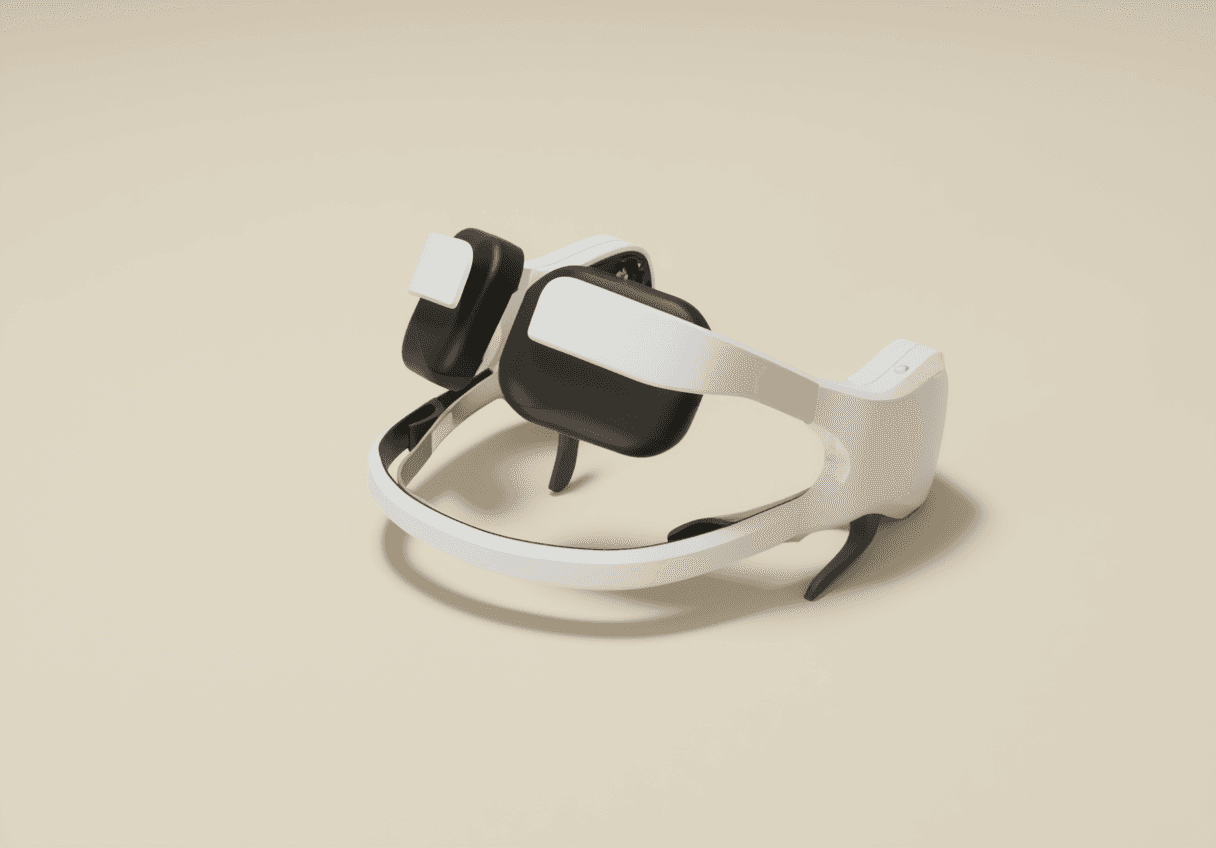
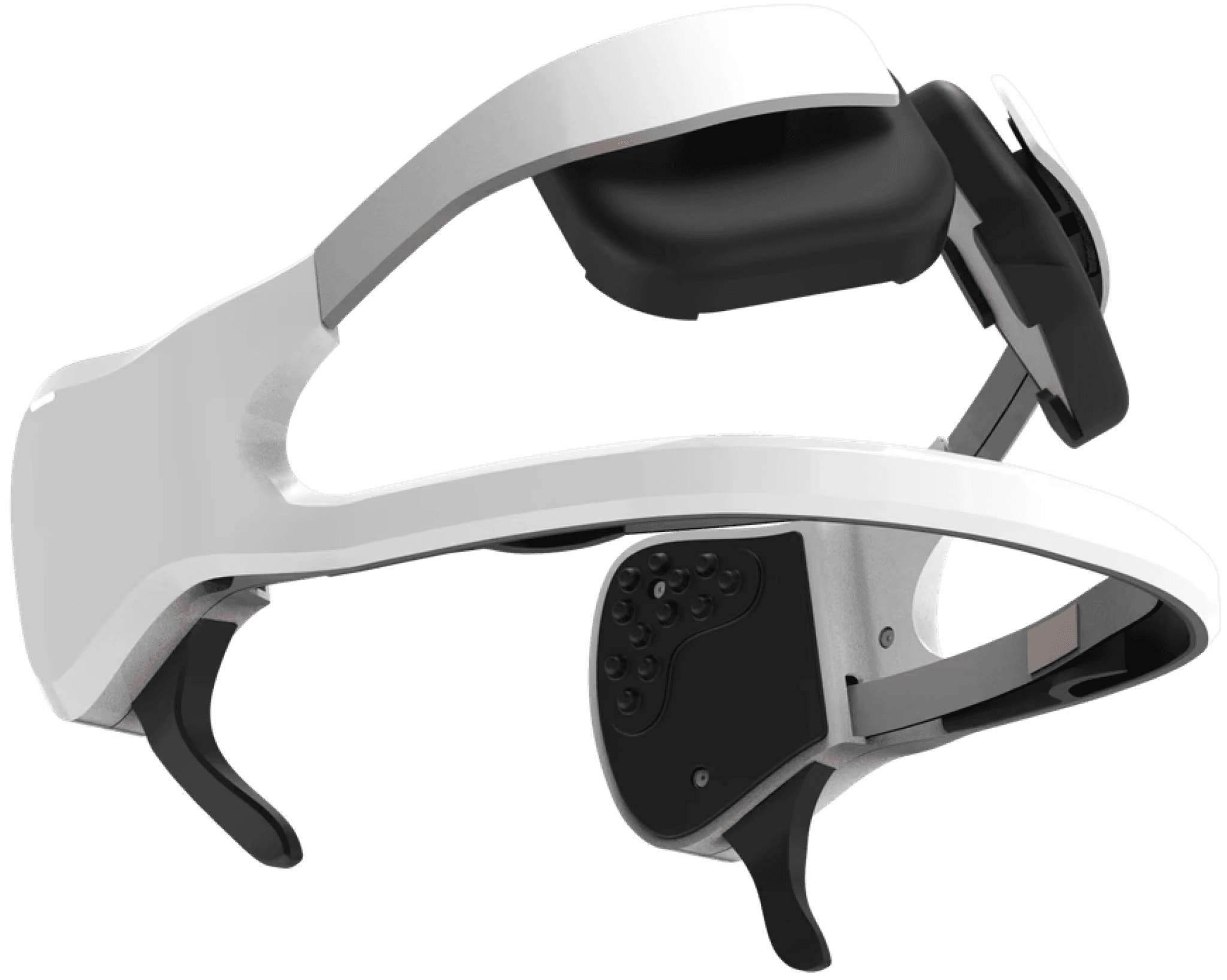
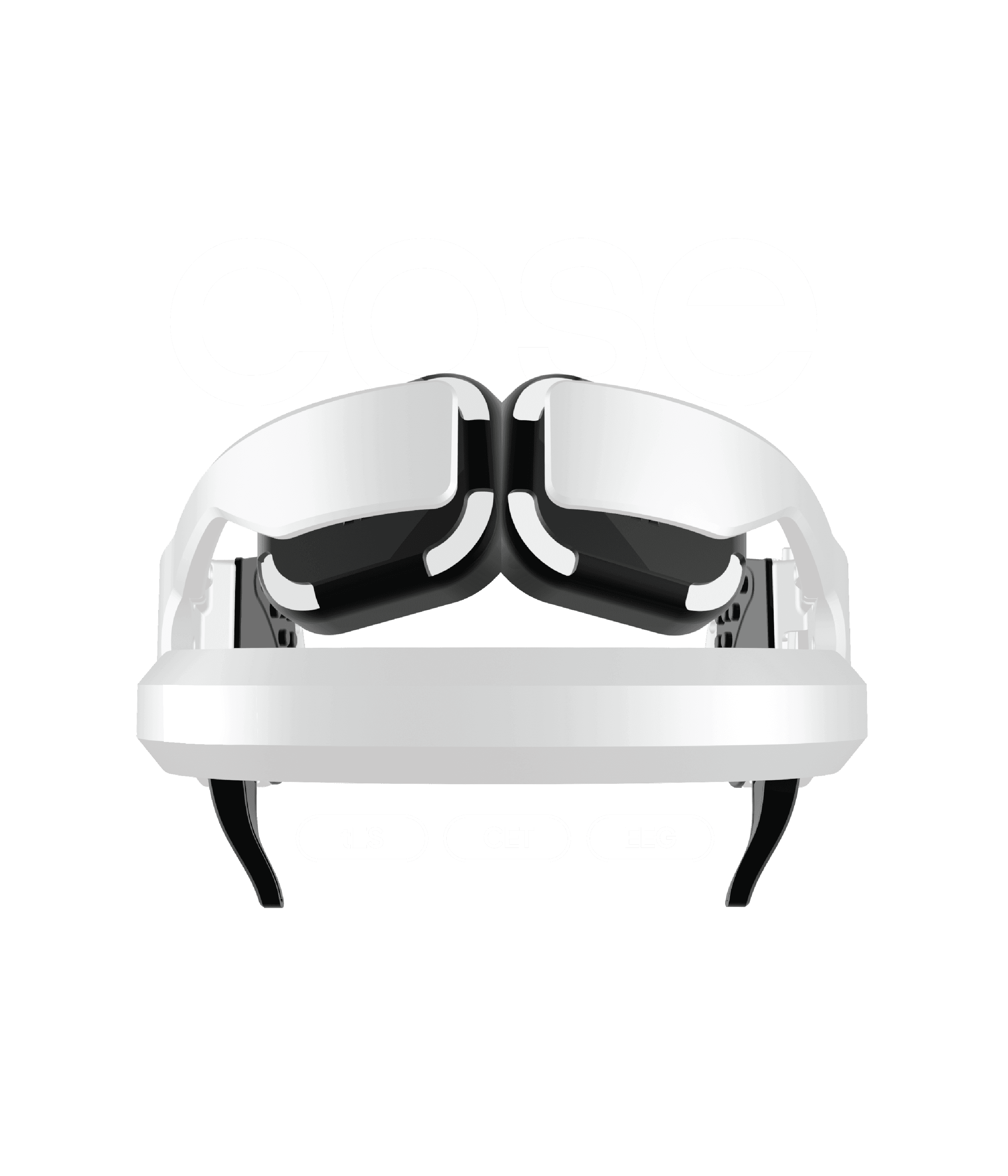
Treatment Modality: Active anodal tDCS administered through the Ease device, paired with Cognitive Emotional Training (CET) modules.
Protocol Parameters:
Electrode Montage: Anode – Left DLPFC (F3); Cathode – Right DLPFC (F4)
Current Intensity: 2 mA
Session Duration: 20 minutes
Total Sessions: 10 (over 12 days)
Concomitant Therapy: No psychotropic medication during or prior to intervention
Cognitive Emotional Training Components:
Emotional N-Back Task: targeting affective working memory
Flanker Task: improving cognitive control and interference resolution
Corsi Block Task: enhancing visuospatial working memory
Go/No-Go Task: strengthening response inhibition
Each CET task was delivered with adaptive difficulty based on accuracy, ensuring sustained engagement and progressive activation of cognitive–emotional regulatory circuits.
Outcome Measures
Symptom severity was evaluated pre- and post-treatment using validated clinician-rated scales:
Hamilton Anxiety Rating Scale (HAM-A)
Hamilton Depression Rating Scale (HAM-D)
Clinical progress was also tracked through subjective self-reports on mood stability, irritability, and functional capacity.
Results
After 10 sessions, substantial symptomatic improvement was observed:
Measure | Baseline | Post-Intervention | % Reduction |
HAM-A | 26 | 12 | ↓ 53.8% |
HAM-D | 18 | 9 | ↓ 50.0% |
Clinical Observations
Marked reduction in autonomic hyperarousal (palpitations, muscle tension, restlessness)
Restoration of sleep continuity and energy levels
Enhanced emotional regulation and frustration tolerance
Reduction in interpersonal reactivity and improved occupational functioning
No adverse effects were reported throughout the course of stimulation.