Jul 15, 2025
What Are Billable Hours
Learn how EASE treated frontal lobe dementia (behavioural variant)
EASE Case Study
Clinical Success Team

Patient Identification: Srikant Pai, 64 year old male
Clinical status: The patient presented with severely impaired communication issues (speaking, understanding and maintaining eye contact) and Grade II Fazeskas (MRI lesions) in both periventricular and deep white matter) in both frontal lobes.
Primary Complaint: The patient was reported to have greatly reduced family interactions (“refusing to come downstairs”), catatonia, constipation and troubles with sleeping (attributed to patient’s medication history). The patient also refused to cooperate with taking medicines regularly.
Diagnosis: Patient was diagnosed with frontal lobe dementia (behavioural variant).
Baseline Status: Poor communication, mood as well as impaired cognitive abilities (visuo-spatial, memory, problem solving, semantic abilities)
Additional Context: The patient had suffered adverse effects from their medication (Silodol, Alzin, Ecosprin, Vibraset) and indicated signs of depression and mild cognitive impairment (MCI)
Intervention
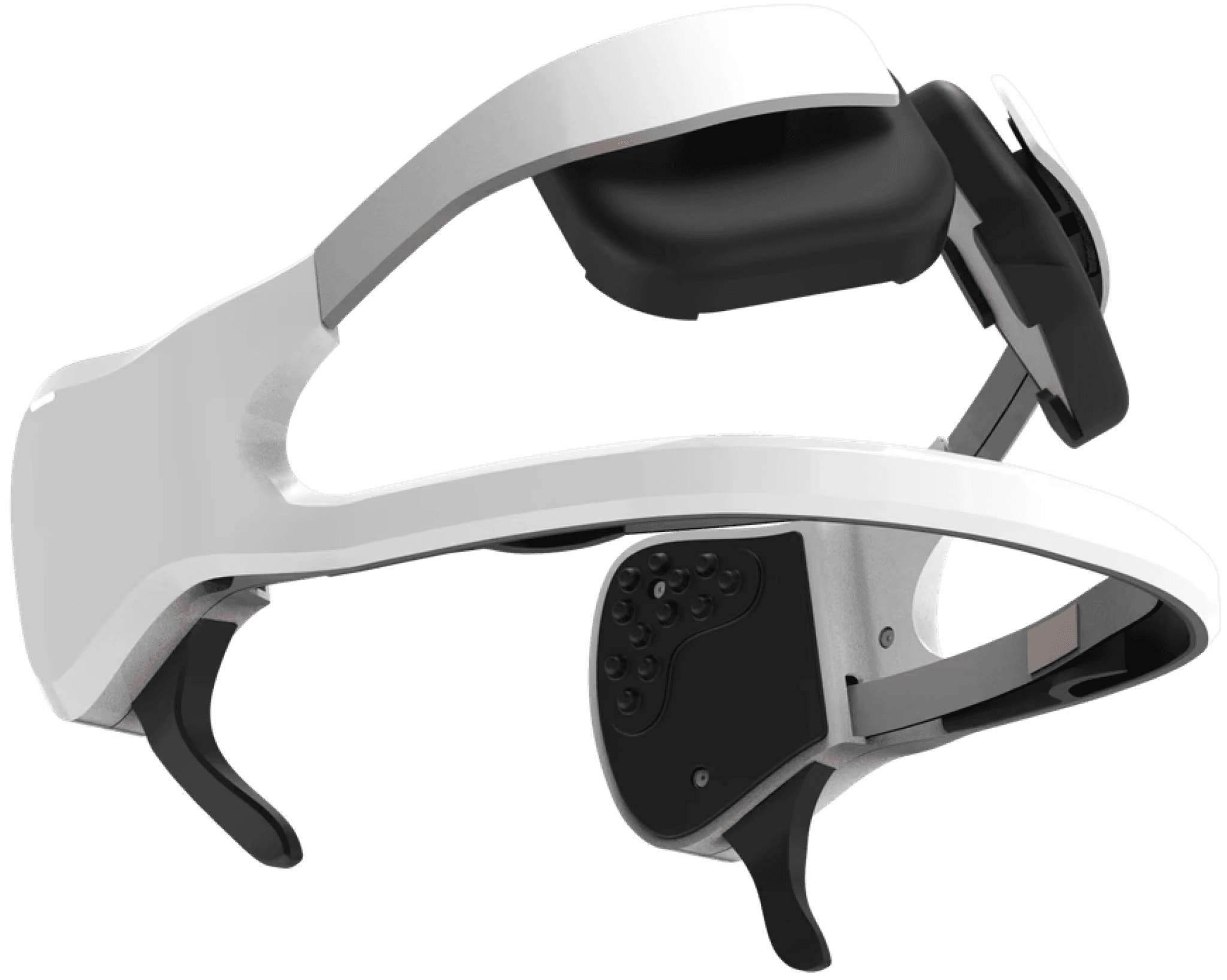
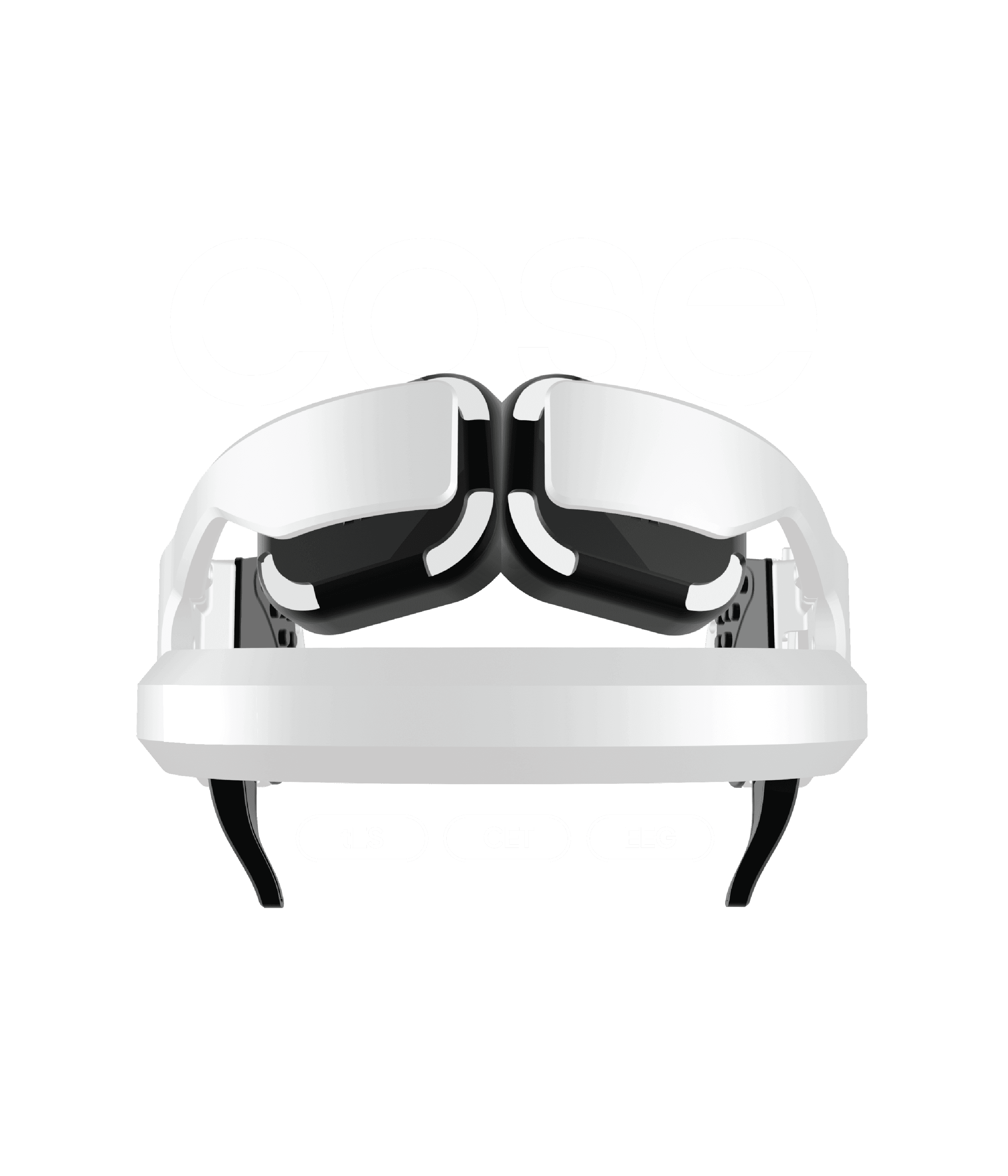
Treatment Modality: Active anodal tDCS administered through the Ease device, paired with Cognitive Emotional Training (CET) modules.
Protocol Parameters:
Electrode Montage: Anode – Left DLPFC (F3); Cathode – Right DLPFC (F4)
Current Intensity: 2 mA
Sessions Duration: 20 minute single day sessions between 2nd July 2025 and 11th November.
Psychotropic Medications: Ventab and Lopez for depression and anxiety
Cognitive Emotional Training Components:
Emotional N-Back Task: targeting affective working memory
Flanker Task: improving cognitive control and interference resolution
Corsi Block Task: enhancing visuospatial working memory
Go/No-Go Task: strengthening response inhibition
Each CET task was delivered with adaptive difficulty based on accuracy, ensuring sustained engagement and progressive activation of cognitive–emotional regulatory circuits.
Rationale for tDCS addition: The aim was to stimulate degenerating frontal lobe networks required for cognition and mood regulation.
Outcome Measures
Symptom severity was evaluated pre- and post-treatment using objective measures:
Montreal Cognitive Assessment (MoCA-2)
Quick Dementia Rating System (QDRS)
Logging use of medication
Family/caregiver reported behaviour
Results
The patient responded positively to the treatment, with significant improvements in the following domains:
Cognitive Skills: Between 14/6/25 and 21/8/25, the patient’s score in MoCA-2 increased from 5/30 to 22/30 (340% ⇑)
Dementia symptoms: Between 2/7/25 and 11/11/25, the patient’s QDRS score fell from 17/30 to 2/30 (88.2% ⇓)
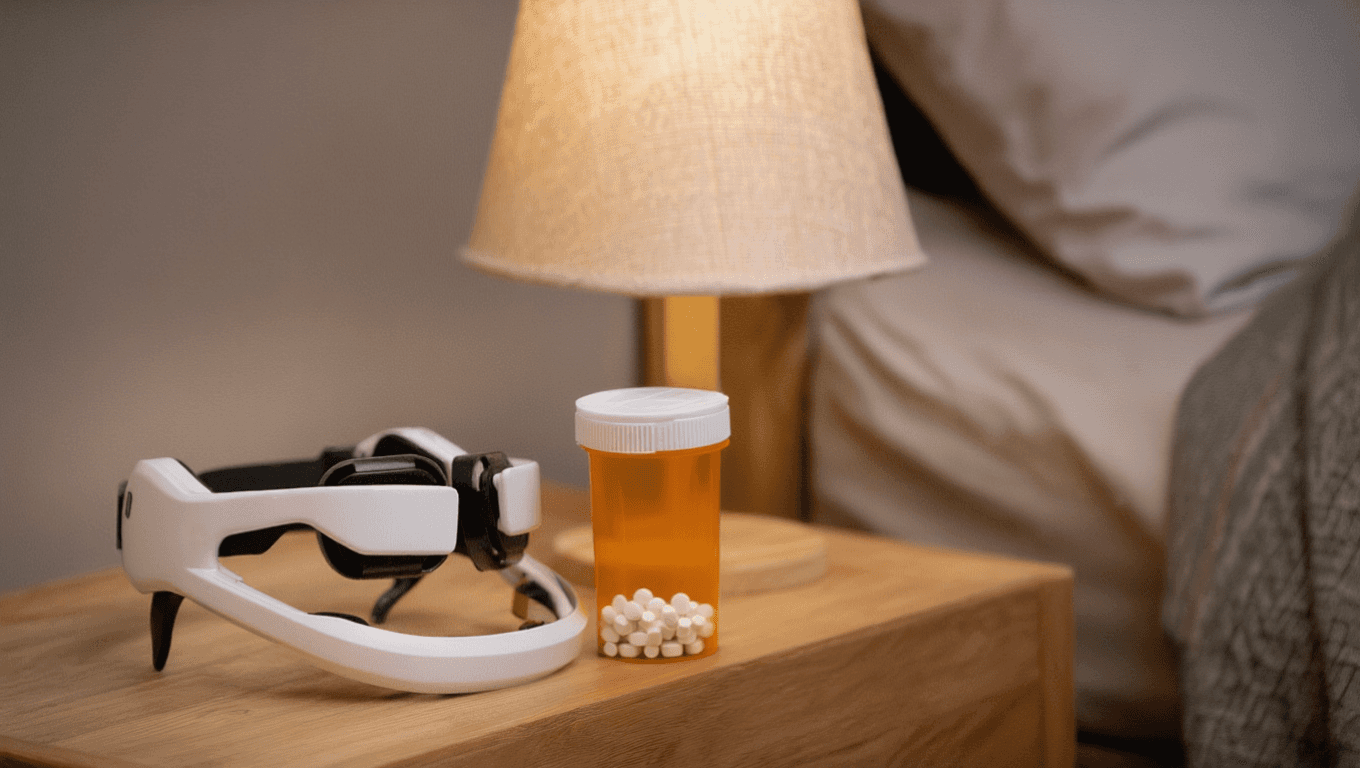
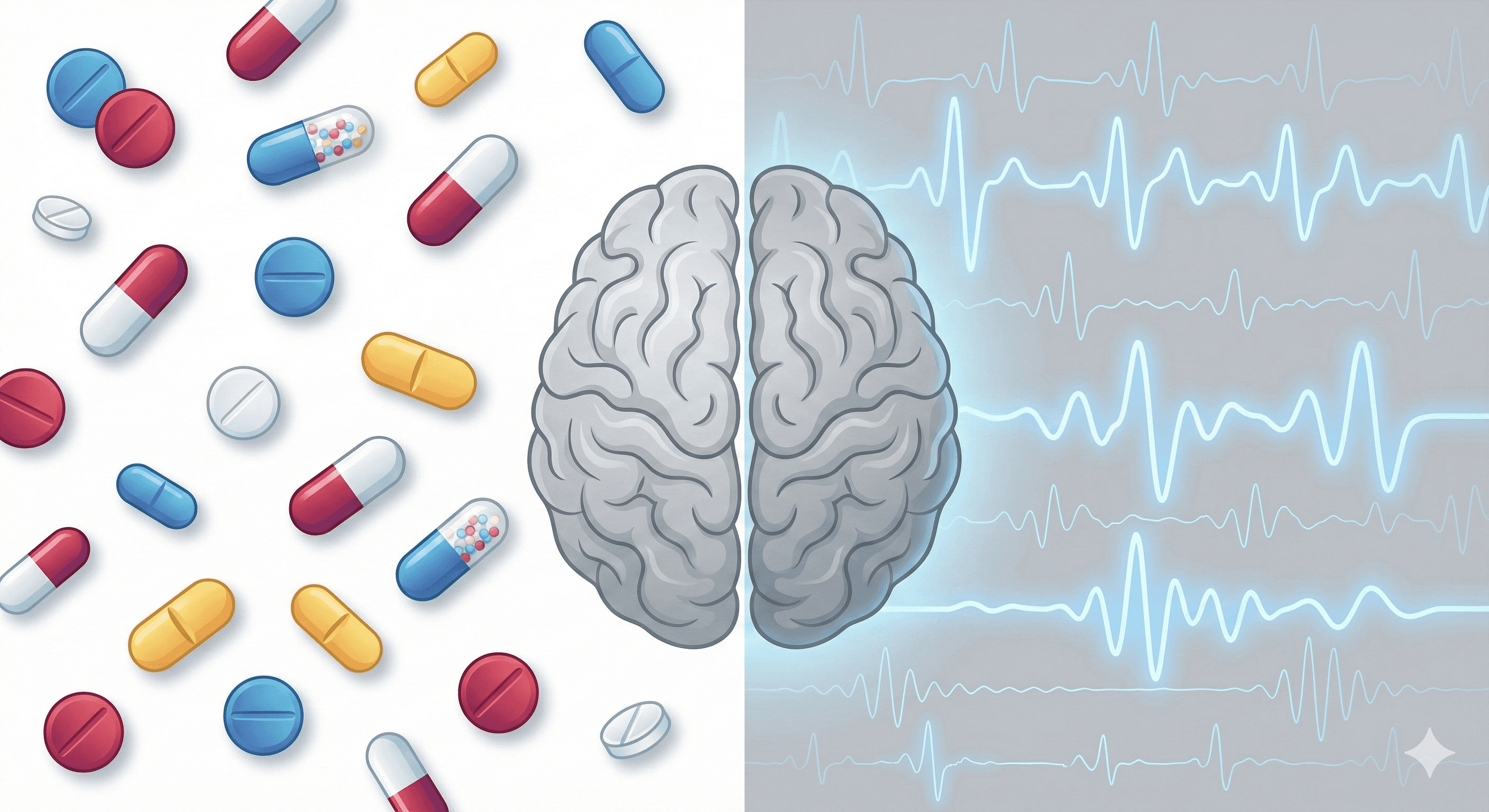
Decreased use of medications and side-effects related to the same.
The patient became much happier (“smiling more often”) with increased willingness as well as capacity to interact/communicate with others.
Clinical Observations
The prescribed medications caused side effects while the tDCS protocol was appreciated by the patient, who self-reported it to make him “sharper” and “feel happier”.
The patient started to actively engage and initiate conversations as well as increased cognitive capabilities (memory, problem solving skills, and semantic fluency)
Hence, EASE proved to be a very effective tool that the patient cooperated with comfort, as well as showed promising results in treating cognitive, emotional and behavioural symptoms of frontal lobe dementia.

You might also like

Ready to experience
the future of brain health?
Neuracle Health Private Limited © 2025 All rights reserved