
Book a Demo
Conditions
OCD Treatment in India — Breaking the Cycle Without Medication
Obsessive Compulsive Disorder is among the most distressing mental health conditions — and among the most treatment-resistant. Up to 40% of OCD patients do not respond adequately to SSRIs, and many who do respond find that the medication blunts more than just the OCD. EASE offers a clinically validated, drug-free approach that targets the neural circuits driving compulsive behaviour at their source.
The global evidence base for tDCS in OCD carries a GRADE=high rating — the highest level of clinical evidence classification — and an EASE case study by Dr. Vishal Chabbra has documented accelerated symptom reduction with the specific tDCS + CET protocol used in the EASE system
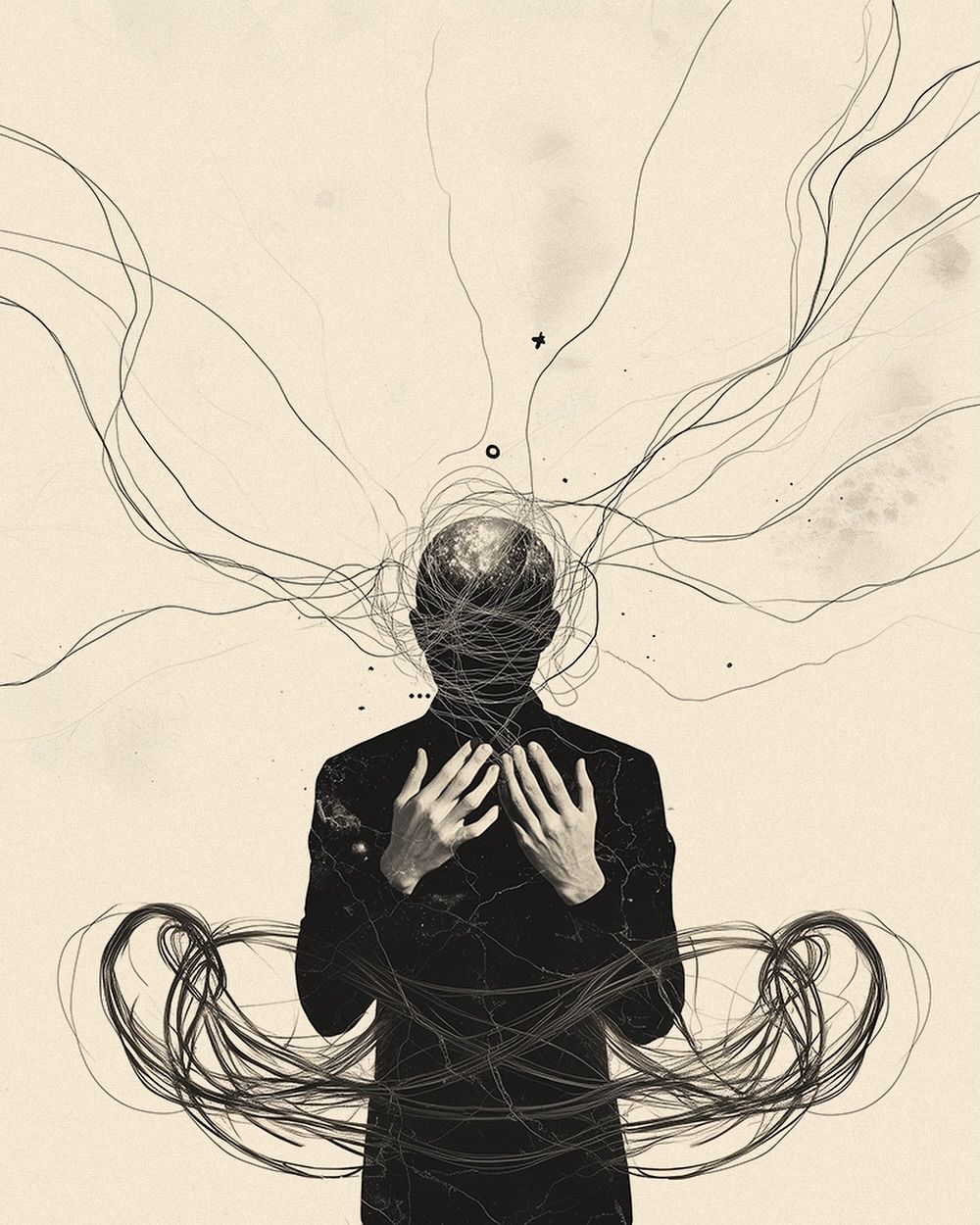
Why OCD Creates Compulsive Loops in the Brain
The orbitofrontal-thalamo-striatal circuit — the loop that won't stop
OCD is driven by hyperactivity in a specific brain circuit: the orbitofrontal cortex connects to the thalamus and striatum in a loop that, in a healthy brain, processes potential threats and then returns to baseline. In OCD, this loop gets stuck. A thought — about contamination, harm, symmetry, or any other obsessional theme — triggers the loop, which generates intense anxiety, which demands a compulsive response, which provides brief relief, which reinforces the loop for next time. The circuit fires faster and faster, and the compulsions required to quiet it become increasingly demanding.
Why "just not doing the compulsion" is so hard
Exposure and Response Prevention (ERP) therapy — the gold standard for OCD — works by breaking this loop behaviourally. But many patients find ERP extremely difficult, especially at higher severity levels, because the anxiety generated by not performing the compulsion is genuinely overwhelming at a neurological level. The brain is not simply being irrational — it is responding to a circuit that is firing at an intensity designed to demand action.
How EASE Interrupts the OCD Cycle
Anodal tDCS over the DLPFC — calming the loop from the top down
EASE applies anodal tDCS to the left DLPFC — the brain region responsible for cognitive control and inhibitory function. By increasing activity in this regulatory area, tDCS gives the prefrontal cortex more capacity to inhibit the runaway orbitofrontal loop. This does not eliminate obsessional thoughts, but it reduces their intensity and urgency — and crucially, it makes the anxiety generated by resisting compulsions more manageable. This is why EASE works particularly well alongside ERP: it lowers the neurological threshold that makes ERP so difficult.
CET trains inhibitory control during stimulation
The cognitive tasks in the EASE app during stimulation specifically target response inhibition — the capacity to stop a habitual response in the face of a triggering stimulus. This is precisely the function that ERP aims to strengthen, and delivering this training during tDCS stimulation compounds its effects.
The Clinical Evidence — What GRADE=High Means
A GRADE=high rating in clinical evidence is the highest classification awarded by the Grading of Recommendations, Assessment, Development and Evaluations system — the international standard for rating clinical evidence quality. A 2024 umbrella review of tDCS published in Molecular Psychiatry assigned this rating to tDCS for OCD, reflecting the consistency, quality, and size of the trial evidence base.
This is significant. Most emerging treatments carry GRADE=low or GRADE=moderate ratings as evidence accumulates. GRADE=high for tDCS in OCD means the evidence for effectiveness is as strong as the evidence for many established treatments.
Case Study: Accelerated Symptom Reduction with EASE — Dr. Vishal Chabbra
Dr. Vishal Chabbra, a partner psychiatrist in EASE's clinical network, has documented accelerated OCD symptom reduction using the tDCS + CET protocol. The patient presented with persistent obsessive-compulsive symptoms with marked functional interference and a strong desire for faster symptom reduction than their current treatment was providing.
Following a course of EASE sessions, the patient showed significant reduction in Y-BOCS (Yale-Brown Obsessive Compulsive Scale) scores, reduced functional interference, and improved quality of life. Dr. Chabbra noted that the combination of stimulation and cognitive training appeared to accelerate the gains typically expected from standard treatment alone.
See the full case study →
EASE Alongside or Instead of SSRIs for OCD
EASE can be used as a standalone treatment for OCD or alongside SSRIs and ERP therapy. For patients who are medication-resistant, EASE offers a pathway to symptom relief without increasing drug dosage. For patients currently on SSRIs who want to augment their treatment, the tDCS + CET combination has shown synergistic benefits.
One important note: certain medications — particularly sodium channel blockers like carbamazepine — can reduce the effectiveness of tDCS. Always discuss your full medication list with your doctor before starting EASE treatment.
Find a Doctor Near You
EASE is available through a network of 40+ partner hospitals and psychiatrists across India. To find a doctor in your city who offers EASE treatment, visit our doctor directory.
Or fill in our patient form and we will connect you with the right specialist
Frequently Asked Questions
Is EASE effective for severe OCD?
Can EASE be used alongside ERP therapy?
How many sessions are typically needed for OCD?
Is EASE better than TMS for OCD?