Book a Demo
Conditions
tDCS Brain Stimulation — How It Works and Why It's Safe
Transcranial Direct Current Stimulation — tDCS — sounds technical, but the idea is simple. Your brain communicates through electrical signals. When those signals fall out of balance in conditions like depression, anxiety, or ADHD, gently adjusting the brain's electrical environment can help restore them. tDCS does exactly that — using a current 400 times weaker than ECT to nudge the brain back towards healthy function.
EASE is built on tDCS technology, and is India's first CDSCO-approved device to use it clinically for neuropsychiatric treatment.
What is tDCS? The Layman Explanation
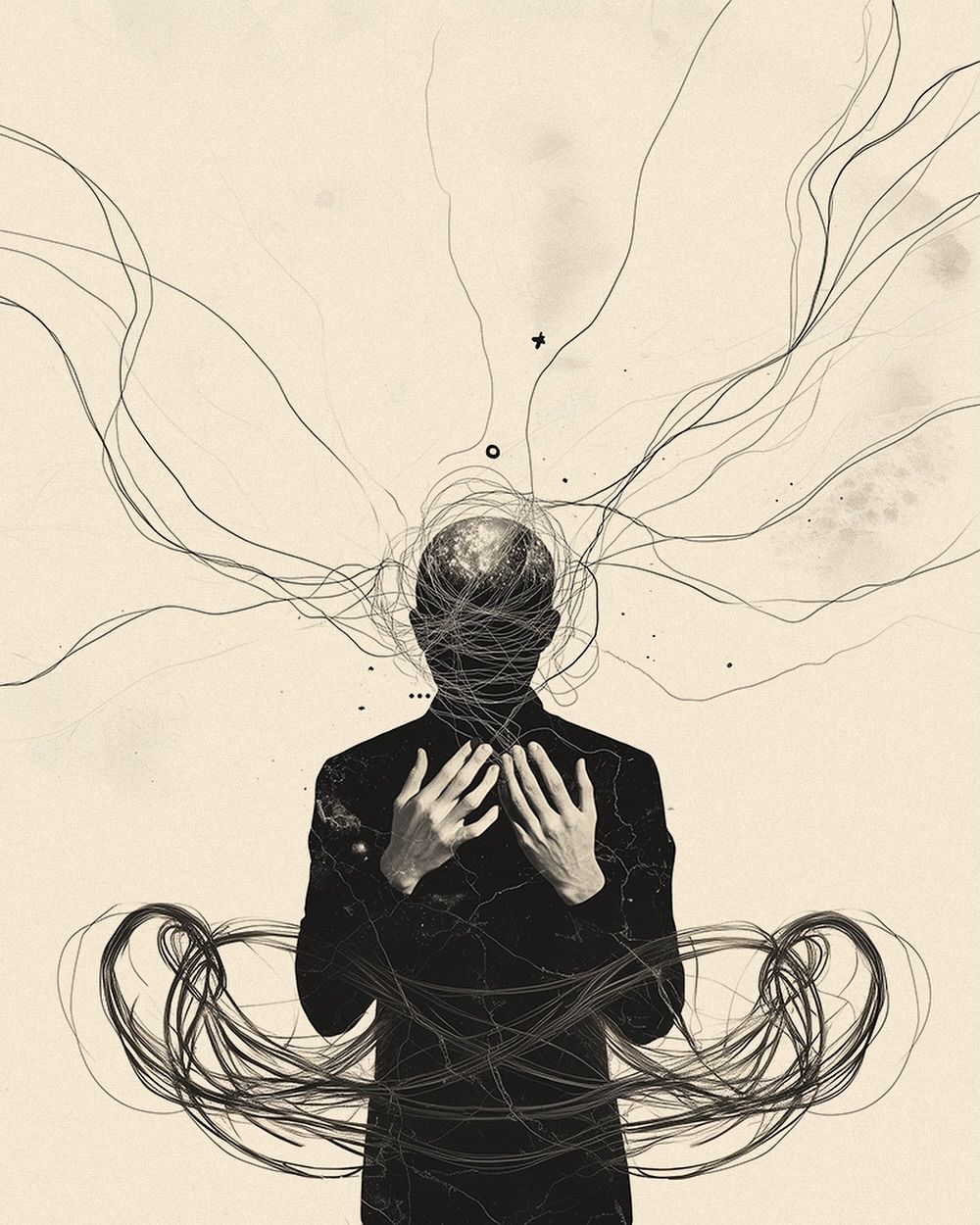
Imagine your brain as a city with an electrical grid. Some neighbourhoods — like the prefrontal cortex, which governs mood and decision-making — have been running on reduced power. Depression, anxiety, ADHD, and addiction all involve specific areas of this grid becoming underactive.
tDCS delivers a very small, steady electrical current — typically 1 to 2 milliamperes (the kind of current a AA battery produces at rest) — through two electrodes on your scalp. This current gently increases the excitability of neurons under the positive electrode (the anode), making them more ready to fire. Over a series of sessions, this persistent nudge helps restore healthy activity patterns and rebuild the neural connections that support emotional regulation, attention, and cognitive control.
What Happens to Your Brain During a 20-Minute Session
When you put on the EASE headset and begin a session:
A low-amplitude current flows from the anode electrode (positioned over the target brain region) through your skull and into the cortex
Neurons under the anode become more excitable — their membrane potential shifts closer to the threshold needed to fire
This increased excitability persists for a period after the session ends, thanks to a process called long-term potentiation — the same mechanism underlying learning and memory
Simultaneously, the CET exercises in the EASE app activate the same circuits being stimulated, directing the neuroplastic changes towards specific functional improvements
The EEG sensors monitor how your brain is responding throughout, giving your doctor real-time data
You may feel a mild tingling or warmth at the electrode sites during the session. This is normal, temporary, and harmless.
tDCS vs Other Brain Stimulation Techniques
tDCS vs ECT — not even the same category
Electroconvulsive therapy (ECT) uses currents hundreds of times stronger than tDCS, induces a generalised seizure under anaesthesia, and requires hospital administration. tDCS uses a current 400 times weaker than ECT, induces no seizure, requires no anaesthesia, and can be administered at home. The two are not comparable — tDCS is to ECT what a gentle massage is to surgery.
tDCS vs rTMS (TMS)
Repetitive Transcranial Magnetic Stimulation (rTMS) uses magnetic pulses to stimulate the brain and is effective for depression and OCD. rTMS requires clinic visits for every session, is louder (the device makes a clicking sound), and does not integrate real-time EEG monitoring or cognitive training. tDCS is quieter, more portable, and in EASE's case, uniquely combined with EEG and CET for a more comprehensive intervention.
The other tES modalities in EASE
EASE's tES system supports multiple stimulation modes beyond tDCS. tACS (Transcranial Alternating Current Stimulation) applies an oscillating current at specific frequencies to entrain brain rhythms — particularly useful for insomnia and anxiety. tRNS (Transcranial Random Noise Stimulation) applies a randomly varying current that increases cortical excitability and shows promise in addiction and executive dysfunction.
200+ Peer-Reviewed Studies — the Evidence Base
tDCS is not experimental. It has accumulated over 200 peer-reviewed studies across depression, anxiety, OCD, ADHD, addiction, stroke rehabilitation, chronic pain, and cognitive enhancement. Key landmarks include:
NEJM 2017 (Brunoni et al.): tDCS found significantly more effective than placebo in a 10-week double-blind RCT for depression
Razza et al. 2020: Meta-analysis of 23 RCTs showed active tDCS demonstrating 33.3% vs 16.56% response rate over sham
2024 umbrella review (Molecular Psychiatry): GRADE=high evidence for tDCS in OCD; strong evidence across multiple conditions
AIIMS Delhi Validation Study: 63.8% reduction in depression symptoms, 84% remission with the specific EASE tDCS + CET protocol
Is tDCS Safe? Side Effects, Contraindications, Tolerability
tDCS has an excellent safety profile. In clinical trials and real-world use across tens of thousands of patients, the side effects are consistently mild and temporary:
Mild tingling or itching at the electrode site during the session — reported by most users, resolves immediately after
Mild headache — reported by a small minority, typically after the first few sessions, resolves within hours
Temporary skin redness under the electrodes — harmless and fades within minutes
Serious adverse events have not been reported in clinical trial data for standard tDCS protocols at 1–2 mA. There are no systemic side effects because the current does not enter the bloodstream.
Contraindications: tDCS should not be used by people with metal implants in the head, cochlear implants, active epilepsy or history of seizures, certain implanted devices (pacemakers), or skin conditions affecting the scalp in the electrode area. Always consult your doctor before starting treatment.
CDSCO Class B Approval — What It Means for Indian Patients
CDSCO is India's Central Drugs Standard Control Organisation — the regulatory body that approves medical devices for sale and clinical use in India. Class B is the category for moderate-risk medical devices. EASE is the first and only device in India to receive CDSCO Class B approval for tDCS-based neuropsychiatric treatment.
This matters. It means EASE has passed independent safety and efficacy review by India's top medical regulator. When your doctor prescribes EASE, they are prescribing a certified medical device — not a consumer gadget.
FDA-Approved Technology — the Global Regulatory Picture
The tDCS technology underlying EASE has received FDA (US Food and Drug Administration) breakthrough device designation, and Flow Neuroscience's tDCS device for depression received full FDA approval in 2025 — the first home-based brain stimulation treatment to do so. This global regulatory validation further confirms the safety and efficacy of tDCS as a medical treatment.
Marble Health is on track to enter the US market via the 510K pathway, building on the FDA precedent established by tDCS approvals.
Find a Doctor Near You
EASE is available through a network of 40+ partner hospitals and psychiatrists across India. To find a doctor in your city who offers EASE treatment, visit our doctor directory.
Or fill in our patient form and we will connect you with the right specialist
Frequently Asked Questions
What does tDCS feel like during a session?
Is tDCS the same as ECT or TMS?
How many sessions of tDCS are needed?
Can tDCS be done at home?
Is tDCS approved in India?