
Book a Demo
Conditions
Insomnia and Cognitive Decline Treatment in India Without Medication
Sleep and memory are two of the most fundamental aspects of brain health and two of the most commonly disrupted. Insomnia affects tens of millions of people in India, and age-related cognitive decline is a growing concern as the population ages. Both conditions share a common thread: dysregulation in the brain's electrical networks that can be addressed through targeted, non-invasive neuromodulation.
EASE is uniquely positioned to treat both conditions using its integrated tES (including tDCS and tACS), EEG monitoring, and Cognitive Emotional Training platform. Here is what the brain science says, and what EASE can do.
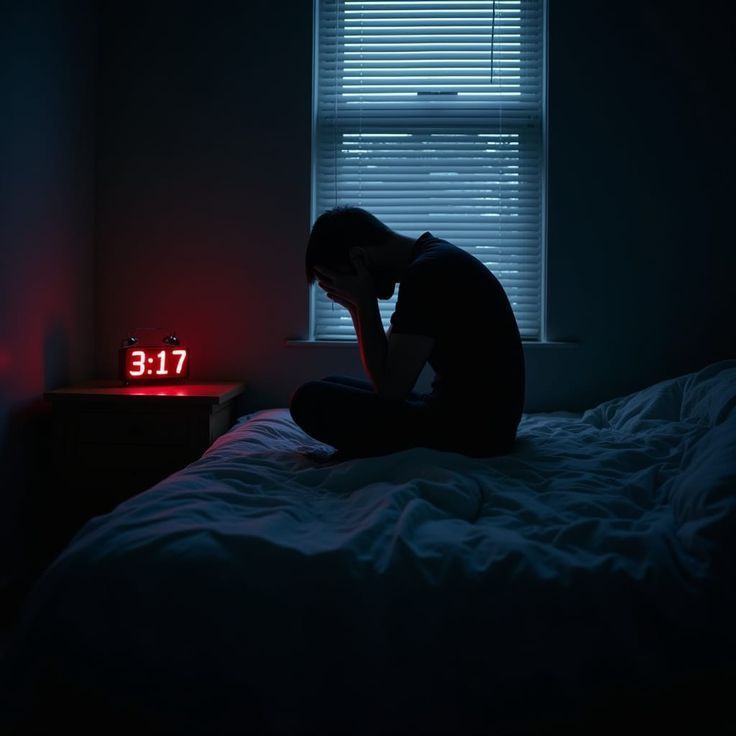
The Sleep-Brain Connection: Why Insomnia Is a Brain Circuit Problem
Thalamocortical network disruption, the circuit that generates sleep
Sleep is not simply the absence of wakefulness. It is an active process governed by specific neural circuits, primarily the thalamocortical and limbic systems that must coordinate to initiate and maintain sleep stages. In insomnia, disruptions in these circuits produce difficulties falling asleep, frequent waking, early morning waking, and non-restorative sleep. Sleeping pills mask the symptoms by sedating the brain, but they do not repair the underlying circuit dysfunction.
Cortical hyperarousal, why the mind won't stop
Most people with chronic insomnia experience what sleep researchers call cortical hyperarousal: an elevated level of brain activity, particularly elevated beta waves that persists into the night and prevents the transition into slow-wave sleep. This is measurable on EEG. It is the neurological signature of the racing mind that people with insomnia describe , thoughts that will not stop, body tension that will not release.
How EASE Promotes Sleep Initiation - tDCS and tACS at Work
tACS for sleep, entraining the brain's natural sleep rhythms
Transcranial Alternating Current Stimulation (tACS) one of the modalities available within the EASE tES system applies an oscillating current at specific frequencies to entrain the brain's own neural rhythms. For insomnia, 10 Hz tACS has been shown to enhance slow-wave sleep quality by modulating the alpha and theta rhythms that govern the transition from wakefulness to sleep. Unlike medication, tACS works with the brain's natural electrical architecture rather than suppressing it.
tDCS for the anxiety-insomnia cycle
In patients where insomnia is driven by anxiety and rumination one of the most common patterns, tDCS applied to the prefrontal cortex reduces the cortical hyperarousal that keeps the brain awake. By calming the default mode network and restoring prefrontal inhibitory control, tDCS addresses the cognitive loop that fuels most chronic insomnia.
EEG neurofeedback for sleep regulation
The EEG monitoring in EASE allows real-time tracking of the brainwave patterns associated with sleep difficulty. This enables two things: more precise targeting of the stimulation protocol, and neurofeedback-based training that helps patients recognise and self-regulate the brain states associated with hyperarousal.
Cognitive Decline and Alzheimer's, How EASE Supports Memory
What happens to the aging brain
Age-related cognitive decline involves progressive reductions in neuroplasticity, the brain's ability to form and strengthen neural connections and deteriorating functional connectivity, particularly in the prefrontal cortex and hippocampus. These changes impair memory, attention, processing speed, and executive function. In Alzheimer's disease, these changes are accelerated and extend to the progressive destruction of neural tissue.
tDCS over the left DLPFC for cognitive enhancement
A review published in Clinical Neurophysiology (Lefaucheur et al., 2022) identified anodal tDCS over the left DLPFC as a likely effective protocol for improving cognition in Alzheimer's patients. By increasing neural excitability in the prefrontal cortex, tDCS stimulates the brain's remaining capacity for neuroplasticity and helps maintain functional connectivity.
tDCS combined with cognitive training the Zhang et al. 2024 meta-analysis
A 2024 meta-analysis published in Alzheimer's Research & Therapy (Zhang et al.) assessed the combined effects of non-invasive brain stimulation and cognitive training on global cognition in Alzheimer's disease and mild cognitive impairment (MCI). The combination produced significant improvements in global cognition, particularly in Alzheimer's patients with effect sizes larger than either intervention alone. This synergistic effect is precisely the principle underlying EASE's tDCS + CET design.
What the Research Says
Wang et al. (Sleep Medicine Reviews, 2020): A systematic review found both tDCS and rTMS to be safe and effective for improving insomnia symptoms across multiple patient populations.
Lefaucheur et al. (Clinical Neurophysiology, 2022): Anodal tDCS over the left DLPFC identified as effective for cognitive enhancement in Alzheimer's disease.
Zhang et al. (Alzheimer's Research & Therapy, 2024): tDCS combined with cognitive training produced significant improvement in global cognition in Alzheimer's and MCI.
Bressler et al. (arXiv, 2022): Demonstrated feasibility of closed-loop neuromodulation using wearable EEG for sleep initiation the exact approach EASE is designed to scale.
Who Is EASE Suitable For Elderly Patients and Their Caregivers
EASE is particularly well-suited to elderly patients because it is non-invasive, portable, requires no sedation, and produces no systemic side effects. For caregivers of patients with Alzheimer's or MCI, EASE offers a practical and evidence-based tool that can be administered at home under remote medical supervision, reducing the burden of clinic visits.
For insomnia patients of any age who want to avoid long-term dependence on sleeping pills, EASE offers a pathway to restoring the brain's natural sleep architecture.
Find a Doctor Near You
EASE is available through a network of 40+ partner hospitals and psychiatrists across India. To find a doctor in your city who offers EASE treatment, visit our doctor directory.
Or fill in our patient form and we will connect you with the right specialist
Frequently Asked Questions
Can EASE help with insomnia caused by anxiety or depression?
Is EASE suitable for Alzheimer's patients?
Can EASE slow cognitive decline in MCI?
How is tACS different from tDCS for sleep?