
Book a Demo
Addiction Treatment in India
Reducing Cravings Without Medication
Addiction is a brain disease not a moral failing. Whether it is alcohol, nicotine, prescription drugs, or other substances, the compulsive use of substances despite harmful consequences is driven by measurable changes in the brain's reward and impulse control circuits. EASE targets these circuits directly, offering a clinically validated tool to reduce cravings and strengthen the neural foundations of recovery.
Used as part of a broader de-addiction programme alongside counselling and medical supervision, EASE can significantly accelerate and sustain the recovery process.
Why Addiction Rewires the Brain's Reward System
The dopamine hijack how substances reprogramme the brain
Every addictive substance produces an artificial surge of dopamine the brain's reward chemical that is far larger than any natural reward. Over time, the brain adapts: it reduces its own dopamine production and receptor sensitivity, so ordinary pleasures no longer register. The only way to feel normal becomes consuming the substance. This is the neurological basis of tolerance and dependence.
DLPFC suppression losing the ability to say no
Alongside the dopamine system changes, chronic substance use progressively suppresses activity in the prefrontal cortex particularly the DLPFC, which governs impulse control, decision-making, and the capacity to weigh long-term consequences against short-term urges. As the DLPFC weakens, the ability to resist cravings diminishes. This is why people in recovery often describe knowing perfectly well they should not use and finding themselves using anyway. The rational brain has been outgunned.
Left vs right DLPFC, the balance of craving and control
Research has identified a specific neural signature for craving: left DLPFC stimulation has been shown to reduce craving intensity by strengthening inhibitory control, while right DLPFC stimulation has been linked to reducing the anxiety that often underlies substance use. EASE's tDCS protocol can be configured to target either or both, depending on the patient's dominant addiction pattern.
How EASE Targets Impulse Control - Not Just Symptoms
Most pharmaceutical approaches to addiction target the symptoms of withdrawal or use receptor antagonists to block the pleasurable effects of substances. EASE takes a different approach: it directly strengthens the prefrontal circuits that give people the neurological capacity to choose not to use.
tDCS rebuilds the DLPFC's inhibitory authority
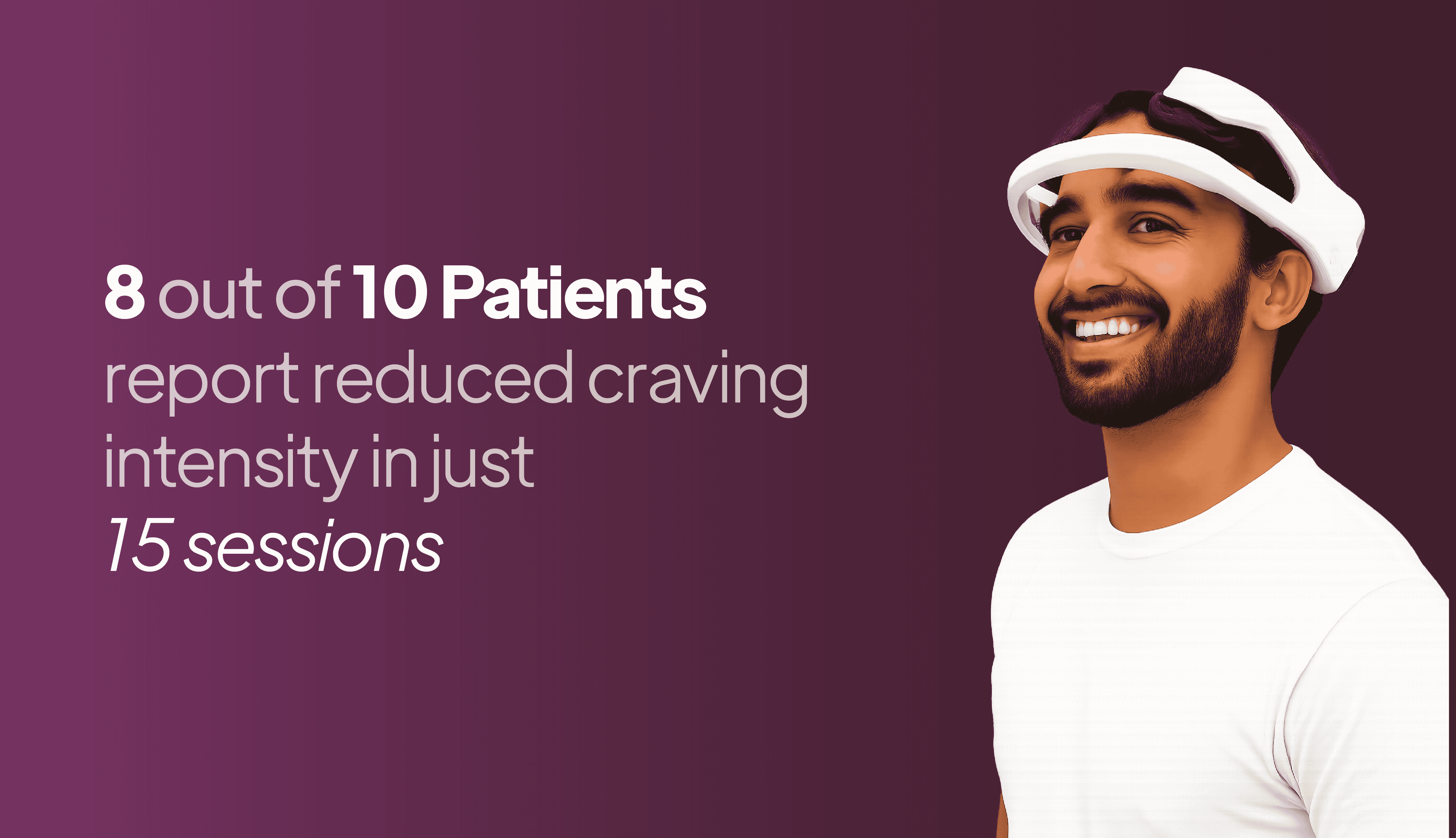
By applying anodal tDCS to the left DLPFC during each session, EASE gradually restores neural excitability and connectivity in the brain's impulse control centre. Clinical studies have shown that tDCS significantly reduces craving intensity for alcohol, nicotine, and other substances, with effects that accumulate over a course of sessions.
CET trains the decision-making circuits directly
The Cognitive Emotional Training exercises in the EASE app specifically target the cognitive skills most impaired by addiction: impulse inhibition, working memory, cognitive flexibility, and the capacity to delay gratification. These exercises are delivered during stimulation when the DLPFC is most receptive, compounding their effect.
What the Research Shows on tDCS and Cravings
A comprehensive review of tDCS in substance use disorders (published in the Journal of Clinical Medicine, 2025) found consistent evidence that tDCS is an effective treatment option for reducing anxiety and depression in patients with substance use disorders, two of the primary drivers of relapse. Multiple studies have demonstrated that left DLPFC stimulation produces significant reductions in craving intensity across different substances. The Technological Overview for EASE specifically notes that tRNS, one of the stimulation modes available in EASE shows particular promise in addiction and executive dysfunction.
Alcohol, Nicotine, Substances What EASE Can Help With
Alcohol use disorder: reducing craving intensity and supporting the cognitive capacity to resist triggers
Nicotine addiction: multiple studies have shown tDCS reduces cigarette cravings and supports cessation
Substance use disorders: stimulant, cannabis, and opioid-related cravings all respond to DLPFC stimulation
Behavioural addictions: EASE can support treatment of gambling disorder and internet addiction, which share the same DLPFC dysregulation profile
EASE as Part of a De-Addiction Programme
EASE is designed to complement, not replace, a comprehensive de-addiction programme. The most effective approach combines EASE sessions with regular counselling or psychotherapy, medical management of withdrawal where necessary, and ongoing support from family and community. Your doctor will integrate EASE into your overall treatment plan.
Find a Doctor Near You
EASE is available through a network of 40+ partner hospitals and psychiatrists across India. To find a doctor in your city who offers EASE treatment, visit our doctor directory.
Or fill in our patient form and we will connect you with the right specialist
Frequently Asked Questions
Does EASE work for alcohol, nicotine, and drug addiction?
How many sessions to see a reduction in cravings?
Can EASE be used alongside a rehab programme?
Is EASE suitable for someone who has relapsed?