
Book a Demo
Conditions
ADHD Treatment in India Without Medication
ADHD — Attention Deficit Hyperactivity Disorder — is one of the most misdiagnosed and misunderstood conditions in India. Many parents are told their child needs stimulant medication indefinitely. Many adults living with undiagnosed ADHD have spent years being labelled lazy, careless, or difficult. EASE offers a different path: a non-invasive, drug-free treatment that targets the brain circuits underlying attention and impulse control.
Using tDCS brain stimulation combined with EEG monitoring and Cognitive Emotional Training, EASE works directly on the neural architecture of ADHD — building better attention, focus, and emotional regulation without stimulants or their side effects.
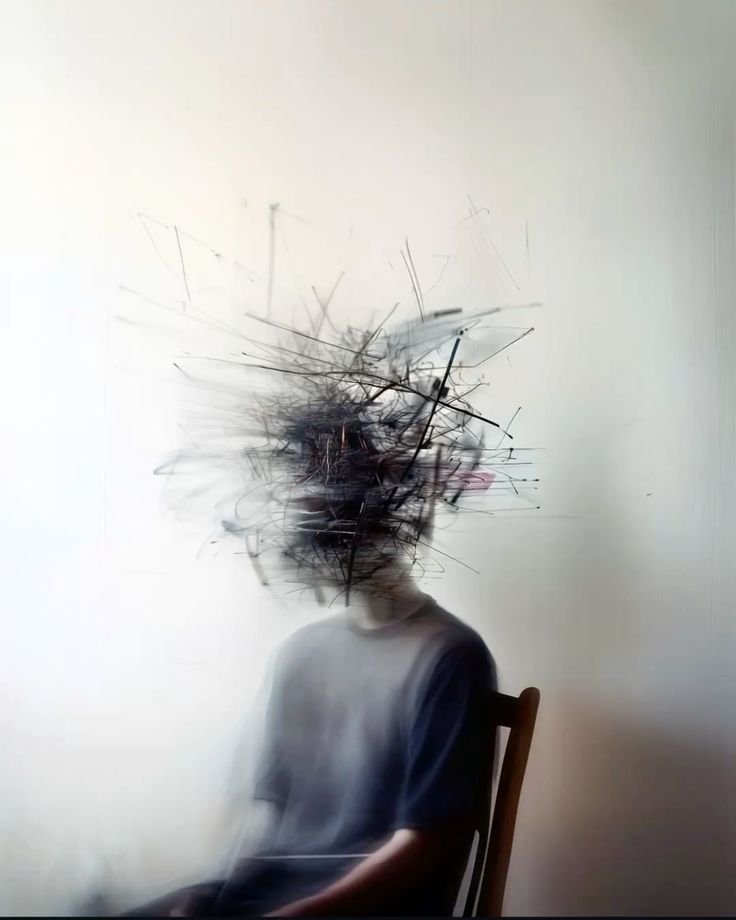
What's Different About the ADHD Brain
Anxiety is not simply excessive worry. It is a specific pattern of brain dysregulation that creates a self-reinforcing cycle of fear, physical symptoms, and avoidance.
DLPFC underactivity — why focusing feels impossible
The dorsolateral prefrontal cortex (DLPFC) is the brain's executive control centre. It governs sustained attention, working memory, impulse inhibition, and the ability to plan and follow through. In ADHD, the DLPFC consistently shows reduced activity and connectivity. This is not laziness — it is a structural difference in how the brain allocates its resources. When your DLPFC is underactive, tasks that require sustained focus feel genuinely exhausting in a way that others cannot understand.
Dopamine dysregulation — the reward system that doesn't fire normally
ADHD is closely linked to dysregulation of the dopamine system — the brain's reward and motivation network. When dopamine pathways do not function normally, the brain seeks immediate stimulation rather than investing in delayed rewards. This produces the characteristic ADHD behaviours: difficulty sustaining effort on tasks that aren't immediately engaging, impulsive decisions, and a tendency to hyperfocus on stimulating activities while neglecting important but boring ones.
The hyperactive subtype — when excess energy is actually a regulatory problem
Hyperactivity in ADHD is not simply high energy. It is the result of under-regulated neural circuits that cannot modulate activity levels appropriately. The need to move, fidget, or constantly switch tasks is the brain's attempt to generate the stimulation it isn't getting from its normal circuits.
How EASE Improves Attention and Focus — The Science
EASE targets the ADHD brain through all three layers of its system.
tDCS stimulates the underactive DLPFC
Anodal tDCS over the left DLPFC directly increases neural excitability in the brain's executive control centre. Clinical studies have shown that tDCS applied to the DLPFC produces measurable improvements in working memory, sustained attention, and response inhibition — the core deficits in ADHD. Because the stimulation is applied during each CET session, the brain practises executive function tasks at exactly the moment its capacity to do so is enhanced.
CET exercises are designed specifically for attention and working memory
The Cognitive Emotional Training programme in the EASE app includes tasks that directly exercise the circuits ADHD impairs: working memory drills, sustained attention tasks, response inhibition exercises, and emotional regulation challenges. Each task is adaptive — it adjusts its difficulty based on your real-time performance, so you are always working at the edge of your current capacity without becoming frustrated or bored.
EEG monitoring tracks your neural attention signature
EEG sensors in EASE monitor theta and alpha brainwave activity — frequency bands that are dysregulated in ADHD. Your doctor can see how your brain's activity changes across sessions, providing an objective measure of treatment progress that goes beyond symptom questionnaires.
ADHD in Adults vs Children — Does EASE Work for Both?
Adult ADHD is significantly underdiagnosed in India. Many adults who struggled in school and continue to struggle at work have never received a formal diagnosis, and many are reluctant to consider stimulant medication as a long-term management strategy. EASE is suitable for adults seeking a non-pharmacological approach to managing attention, focus, and impulse control.
For children and adolescents, EASE is most suitable under the supervision of a paediatric psychiatrist or neurologist who can assess whether the EASE protocol is appropriate for the individual patient's age, severity, and treatment history. Please speak to a qualified specialist before starting treatment in children.
What the Research Shows
A systematic review of tDCS for ADHD found significant improvements in attention and inhibitory control following stimulation of the DLPFC. Cognitive Emotional Training programmes have demonstrated measurable improvements in frontoparietal network functioning — the key circuit underlying attention and working memory. The combination of tDCS with cognitive training produces synergistic effects: the stimulation primes the brain for learning, and the training locks in the gains.
Find a Doctor Near You
EASE is available through a network of 40+ partner hospitals and psychiatrists across India. To find a doctor in your city who offers EASE treatment, visit our doctor directory.
Or fill in our patient form and we will connect you with the right specialist
Frequently Asked Questions
What a Treatment Session Looks Like for ADHD
Can EASE replace Ritalin or Adderall?
What age group is EASE suitable for in ADHD?
How many sessions to see improvement in focus?
Can EASE treat both inattentive and hyperactive ADHD?